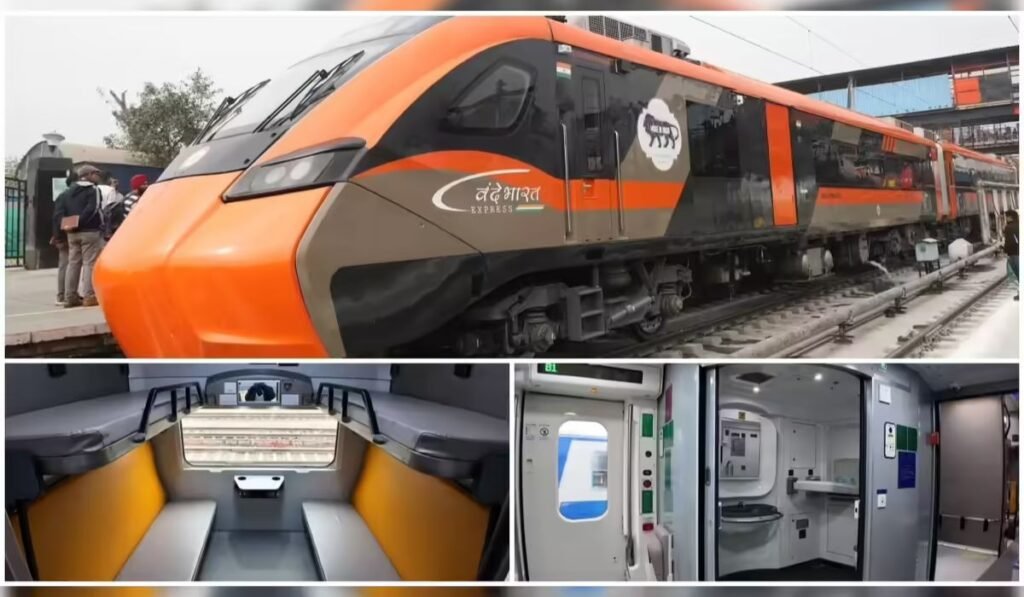
The Vande Bharat Express has been widely acclaimed to be fast, modern and with high rail technology. But in the Kashmir route, its contribution in terms of efficiency and travelling time goes much beyond that. This train can be seen as a practical way of development where development pays attention to people, culture and identity. It does not take the journey as a mere movement of stations together but makes travelling a cultural experience.
This is a travel experience that is unique to the passengers. The sceneries are theatrical, the movement is effortless, and the interior of the cars is purposeful. More importantly, the train reflects the region it passes through, especially through its food choices. This article explains how the Vande Bharat Express connects Jammu and Kashmir not only through rail lines, but also through tradition, memory, and everyday human experience.
Vande Bharat Express as a New Chapter in Indian Rail Travel
The launch of the Vande Bharat Express on the Jammu to Srinagar route marked an important milestone for Indian Railways. The road cuts across rough terrain, tunnels and mountain ranges that have been known to reduce connectivity. In terms of infrastructure, the success is amazing. Socially, the effect is even much more.
This service was also passenger-centered unlike the older trains. The combination of comfort, timing and atmosphere has the effect of alleviating the fatigue in travelling. Simultaneously, the train does not experience alienation to its environment. Rather, it becomes oriented to the area and incorporated into its character and makes the trip seem personal and real.
Why Food Was Chosen as a Cultural Bridge on Vande Bharat Express
The Indian culture is heavily dependent on food, which serves as a vehicle of memory and identity. The authors of a project called the Vande Bharat Express knew that food could become a natural way to show the passengers regional culture. They were not interested in efficiency alone, but in connection.
The train transforms eating into a narrative by creating dishes that vary depending on the location. People do not just eat a food but they are presented to a local cuisine of the area people are entering or leaving. This will bring the indian railway food to a new level, as a service aspect and as a cultural one.
Vande Bharat Express and Direction-Based Culinary Identity

One of the most distinctive features of the vande bharat express on this route is its direction-based menu system. As the train crosses the Banihal Pass, the culinary identity shifts to reflect the cultural transition between Jammu and the Kashmir Valley. This decision adds depth and authenticity to the journey.
Passengers quickly notice that the food aligns with the land outside the window. The meals feel relevant rather than generic. This careful alignment strengthens the emotional impact of travel and highlights how regional cuisine on trains can enhance understanding without explanation.
Direction and Cuisine Overview
| Travel Direction | Cuisine Style | Cultural Influence |
| Katra to Srinagar | Dogri cuisine | Jammu traditions |
| Srinagar to Katra | Kashmiri cuisine | Valley heritage |
This design is used to make food geographically aligned so that the journey will not feel like a set of standardizations.
Dogri Cuisine: Strength, Balance, and Simplicity
During the transit of passengers between Katra and Srinagar, Dogri-style meals are also presented as an indication of the eating culture in the Jammu region. These are single minded, hearty, and wholesome dishes, as also the life of the land which they are prepared in. The style of food is very basic and home-like, that is why it is preferable to make long journeys along mountainous regions.
Lentils, vegetables in the seasons, paneer, and soft spices are generally used to prepare food. The flavors are homey and natural, not oppressive, yet cosy. This way, the Dogri culture is being showcased by the Vande Bharat Express to the passengers in a way that is natural and respectable.
Kashmiri Cuisine Experience on the Vande Bharat Express Return
The same trip back to Srinagar at Katra has the food onboard being modified to accommodate the Kashmiri cuisines. Kashmiri food is known to have spicy aroma, multi tastes and refined cooking styles. The cuisine is still preserved even when it is converted to train service.
Passengers also taste foods with a touch of saffron, fennel and slow cooking methods. The food is homely and ritualistic without being dense. This change in food mirrors the emotional shift of leaving the valley, making the journey feel complete rather than repetitive.
How Food Encourages Interaction Among Passengers?
One noticeable effect of this dining approach is how it changes passenger behavior. Meals often lead to conversation, curiosity, and shared reactions. Travelers discuss flavors, ask questions, and compare the food to dishes from their own regions.
This interaction creates a sense of shared experience. Without formal messaging, the Vande Bharat Express encourages cultural integration through food. The dining table becomes a space where regional differences are explored with interest rather than distance.
Economic and Cultural Support Through Vande Bharat Express Dining
Beyond passenger experience, the food model also supports local ecosystems. By incorporating regional recipes and ingredients, the Vande Bharat Express indirectly benefits local suppliers and preserves culinary traditions. This support is subtle but meaningful.
Instead of promoting this effort loudly, Indian Railways allows the experience to speak for itself. The result feels authentic rather than promotional. This restraint strengthens trust and reinforces the value of indian railway cuisine as a cultural asset.
Why This Vande Bharat Express Model Matters Nationally?
The success of this route offers an important lesson for future rail projects. Infrastructure does not need to standardize culture to be efficient. In fact, respecting regional identity can improve passenger satisfaction and emotional connection.
If similar approaches are adopted on other routes, the railway network could become a moving reflection of India’s diversity. The Vande Bharat Express shows how development and tradition can move forward together.
| Aspect | Impact |
| Direction-based meals | Strengthens regional identity |
| Local food styles | Preserves tradition |
| Shared dining | Builds national connection |
This balance demonstrates how thoughtful planning enhances long-term value.
Passenger Memory and the Lasting Impact of the Journey
Passengers often remember the scenic views and smooth ride. However, many also remember the meals they shared onboard. That combination of comfort, culture, and conversation leaves a lasting impression.
Unlike routine travel, this journey feels meaningful. The vande bharat express does not rush passengers through the experience. Instead, it allows space for reflection and connection.
Conclusion:
The vande bharat express on the Kashmir route proves that progress can remain human and inclusive. By honoring regional food traditions and encouraging shared experience, the train connects more than destinations. It connects people, stories, and identities across regions. As Indian Railways continues to modernize, this approach offers a powerful example of how infrastructure can strengthen unity while respecting diversity.
Also Read About :- Fammamcihran Tahadahadad