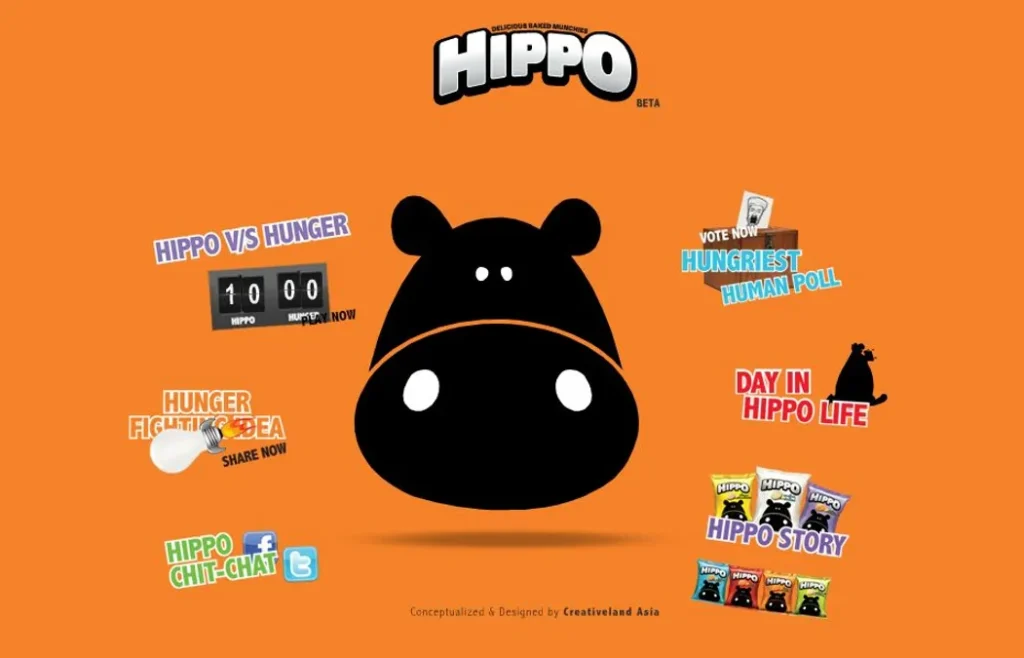
Hippo Chips used to be a household brand in the Indian snack shelves particularly around 2009 to early 2010s. The brand is still known to many because of its aggressive pack, weird flavours and baked positioning which was unlike the overly fried chips that were the order of the day. Hippo Chips were extremely popular initially and remembered well by consumers, but gradually disappeared off the shelves and created confusion and nostalgia. To comprehend why this occurred a single error falls short of the picture and instead it would be best to consider the dynamics of product positioning, marketing clarity, operations, and competition over a period of time.
What Made Hippo Chips Stand Out Initially?
In 2009, Hippo Chips was introduced by the Parle Agro, and the product was an instant hit in terms of being differentiated against potato chips. Hippo Chips were fried unlike most snacks of that era because they were made of wheat. This automatically provided the brand with a point of distinction particularly to the parents who were now more aware of what these children ate.
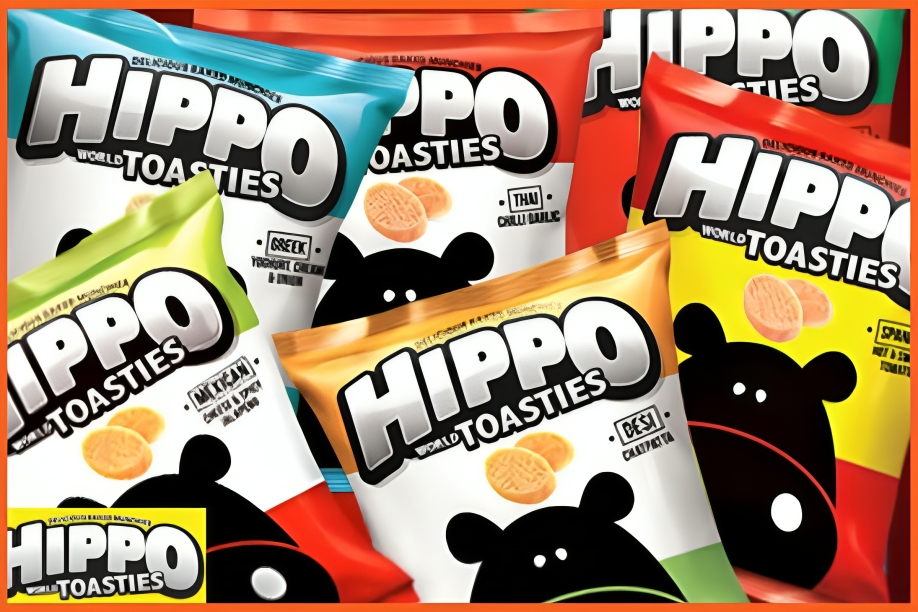
The flavours also provided by the brand were adventurous to the Indian market. It did not rely on the traditional salted or masala flavours, but instead it offered worldly flavours like Thai Chilli Cream, Italian Pizza, and Greek Yogurt, as well as Indian-style flavours, including Chatpatta and Afghani Tikka Masala. This experimenting generated buzz and assisted the brand in getting instant publicity at its fledgling years.
Packaging and Brand Personality of Hippo Chips
A significant part of the initial recognition of Hippo Chips was its packaging. These were above average sized packets with bright colours and a noticeable cartoon mascot of a hippo. This design made the brand distinguish itself immediately on the store shelves that are usually half the battle in the fast-moving consumer goods category. The large typeface and oversized logo have made the brand to be memorable, especially to the children.
Nevertheless, as time passed, the same packaging was confusing. At the same time when these Chips were introduced as a baked and a light snack, the mascot was a heavy and overweight character. This comparison between visual cues and product claims watered down the message. Customers would not know whether the brand was to be fun and indulgent or actually better-for-you. Branding is best when the visual identity promotes the product promise and here this area was weakened as the brand grew up.
Hippo Chips Flavours and Product Innovation Strategy
Hippo Chips had a large range of flavours, which was one of the strongest points of this company. The brand presented flavours that were based on the Indian street food and future foods worldwide, which was quite uncommon then. This trial enabled it to build up the buzz and made consumers buy it in large numbers who were interested in variety.
| Category | Flavour Examples |
| Indian-inspired | Chatpatta, Afghani Tikka Masala |
| Asian-inspired | Thai Chilli Cream, Chinese Manchurian |
| Western-inspired | Italian Pizza, Greek Yogurt |
The diversity gave Hippo Chips a chance to reach a large number of people, but it made running the business more complex. The issue of dealing with several flavours involved increased production planning, increased inventory pressure, and increased risk of stock imbalance. Although innovation made the brand attain attention it was not easy to maintain such a broad spectrum with time.
Demand Growth and Supply Challenges Faced by Hippo Chips
Hippo Chips received tremendous demand in most regions soon after launching. Retailers were recording quick selling inventory and when a customer wanted to buy the product, it could not be found in the shelves. Although this was a sign of success, it also demonstrated flaws in supply chain planning. The company was not able to keep up with demand as it was increasing at an unprecedented rate.
In this regard, the brand tested social media-based solutions that allowed consumers to report out of stock products. This strategy created an interest and assisted in enhancing immediate availability. Nevertheless, such measures did not eliminate the necessity of a distribution system that can be scaled. Poor consistency among the availability decreased repeat purchases as consumers reverted to the brands that they could easily find over time.
Hippo Chips Marketing Campaigns and Their Impact
Hippo Chips spent a lot of money on innovative marketing campaigns; this emphasized on interactivity, as opposed to conventional advertising. A particularly interesting effort was related to food preferences and cricket season excitement, which led the consumers to engage in online competitions that were associated with regional flavours. These campaigns brought more awareness and provoked sales peaks.
Although they were creative, the campaigns did not have any long term unifying message. In other areas, these Chips were branded as a snack to ease hunger, as a snack to soothe emotions and as a snack to have fun. Although each theme operated on its own, lack of a common denominator story meant that consumers could not recall a reason why they needed to repeat purchasing the brand.
Hippo Chips Market Position and Competitive Environment
The Indian snack market has been very competitive with a strong competition on shelf space and consumer loyalty by the established brands. These Chips penetrated into this environment with a sense of innovation but the competitors were fast in responding with their version and powerful marketing strategies. Differentiation had to be maintained rather than new.
| Factor | Hippo Chips Position |
| Product format | Baked, wheat-based |
| Pricing | Competitive mass-market |
| Shelf availability | Inconsistent over time |
| Brand clarity | Mixed messaging |
Although Hippo Chips had a good product, the company failed to hold a direct position within the mind of the consumer. Since the competition increased, the initial brand advantage diminished gradually.
Marketing Mix and Strategic Gaps
The Hippo Chips marketing mix shows why the brand was not able to maintain growth even at the beginning despite the initial success. The product was also very competitive in terms of pricing. Distribution was far and wide and gaps in supply undermined trust. Promotion was more on creativity without always emphasizing the benefits of the product of being baked and made of wheat.
This lack of harmony implied that consumers were happy to consume the snack where it was accessible and not to be loyal to it. Most of them went back to the familiar options that were reliable and gave them consistent messages without a clear reason to change forever.
Key Reasons Behind the Discontinuation of Hippo Chips
Hippo Chips cannot be eliminated because of one failure. Rather, there were various dynamics that transpired overtime to undermine the position of the brand. Lack of branding minimized differentiation, operation pressures influenced availability and competition pressures limited shelf space. The product was popular, but the system that supported it proved to be weak enough to allow the product to grow over a long period.
Interestingly enough, no official public explanation was made by the manufacturer, which contributed to the speculation and curiosity among the consumers. Social media accounts stopped existing after a while and the product eventually vanished out of the market.
Lessons Businesses Can Learn from Hippo Chips
These chips are a valuable teaching point to both brands and startups. Clarity, consistency and operational strength should support innovation. Product that is fast moving needs scalable systems behind it. Product claims should not be undermined by visual identity. Above all, the marketing should be able to develop long-term insights, rather than only temporary enthusiasm.
The same errors are made by many businesses that emphasize on the success of launch and underrate the value of continuity execution. Hippo Chips emphasizes the need to balance in all aspects.
Conclusion: What Hippo Chips Represent Today
Not because it failed with a bang, Hippo Chips is still remembered because it died quietly even with the big start it had. The brand developed innovation, attention, and recall, but it grew without being clear and consistent. These Chips have become a reminder today that popularity is not a surety of longevity. The experience of Hippo Chips can give modern brands a great idea of the way strategy, operations, and messaging should improve and transform simultaneously to remain competitive in the market.
Also Read About :- Anthem VIP Demo Review