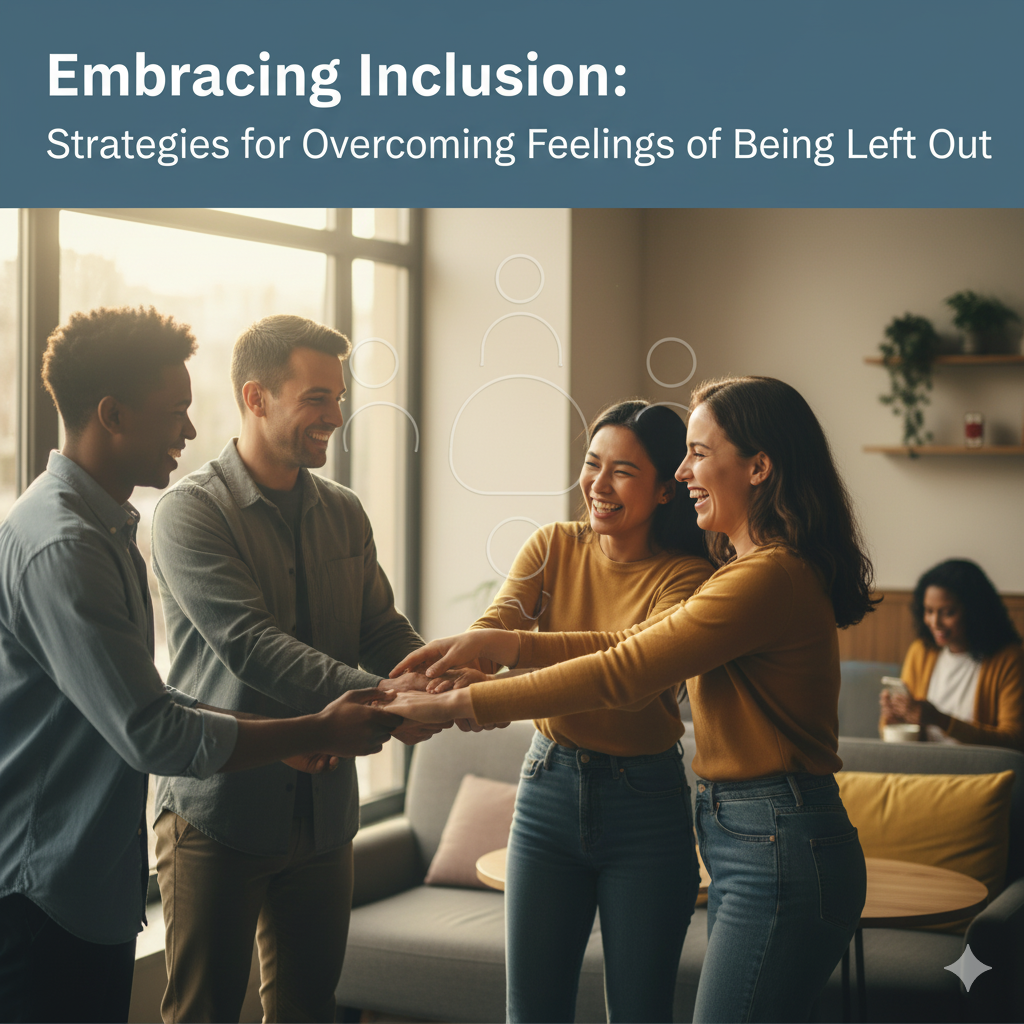
Feelings of exclusion can be a significant hurdle in the path to social and emotional well-being. Whether it occurs in the workplace, during leisure activities, or within personal relationships, the sense of being left out can be deeply distressing. Addressing exclusion requires a deep understanding of its impacts, empathetic behavior, personal mindset shifts, and active community engagement. It’s through these strategies that individuals can find pathways to inclusion and foster environments that celebrate diversity and acceptance. In this article, we explore actionable steps to overcome these feelings and advocate for enduring inclusivity.
Understanding the Impact of Social Exclusion on Well-being

Experiencing exclusion can spark intense emotional and physical reactions, from sadness and anger to insomnia and increased heart rate. Feeling left out doesn’t just affect the individual—it can disrupt social cohesion and productivity. Long-term exclusion is linked to depression, anxiety, and reduced cognitive functioning, often creating a cycle of isolation that deepens distress.
Children and adolescents are particularly vulnerable, as peer acceptance directly shapes their social and academic development. Adults also face risks, with workplace exclusion limiting professional growth and belonging. Recognizing the signs of exclusion early is crucial for building resilience, seeking support, and fostering inclusiveness in personal and professional spaces.
Strategies for Building Inclusive Environments in Daily Life
Creating inclusive spaces begins with daily interactions—open communication, active listening, and conscious efforts to involve others and dismantle barriers built by exclusion. In organizations, diverse hiring practices, equitable advancement opportunities, and platforms for varied voices signal a genuine commitment to inclusion. Educational programs can further raise awareness and address biases, shaping environments where collaboration and respect thrive.
In personal and community settings, fostering inclusion means intentionally inviting those who may feel marginalized and being mindful of group dynamics. Celebrating diverse experiences, participating in local initiatives, and volunteering in neighborhood or school events strengthen connections, encourage empathy, and cultivate supportive, welcoming communities that embrace difference and shared participation.
The Role of Empathy in Combating Feelings of Isolation
Empathy is key to addressing isolation, fostering meaningful connections by helping individuals understand and share the feelings of others. By considering how actions affect those around us, empathy encourages kinder, more inclusive decisions. Developing it often requires confronting personal biases and engaging with perspectives different from our own, enriching our experiences while supporting those who feel excluded.
Empathy also strengthens conflict resolution, enabling individuals to appreciate differing viewpoints and reach solutions that respect everyone’s needs. It can be cultivated through workshops, training, and open dialogue, embedding empathetic practices into daily life. This skill promotes environments where people feel heard, valued, and less likely to experience exclusion.
Cultivating a Personal Mindset for Inclusion and Acceptance

Adopting an inclusive mindset begins with introspection and a conscious effort to challenge personal biases. It requires treating others with respect and fairness while committing to ongoing personal growth. Educating oneself about different cultures, lifestyles, and perspectives helps dismantle harmful stereotypes and deepens appreciation for human diversity. Supporting initiatives that promote equality and non-discrimination reflects this mindset in action, reinforcing inclusive values through tangible efforts.
Self-compassion is vital when confronting personal biases, viewing self-improvement as a strength rather than a flaw. Staying informed about social issues and engaging in conversations about inclusion further strengthens understanding. Active awareness and participation foster both individual growth and a broader shift toward a more accepting society.
Engaging in Community Activities to Foster a Sense of Belonging
Community activities play a key role in fostering belonging and connection. Participating in cultural festivals, local workshops, or neighborhood projects enriches personal experiences while creating inclusive spaces for others. Ensuring accessibility—through disability-friendly venues, translated materials, and outreach to underrepresented groups—strengthens community cohesion and allows diversity to thrive.
Engaging in service projects or shared activities like sports leagues and art classes brings people from varied backgrounds together, highlighting the power of collaboration and shared purpose. These experiences cultivate camaraderie, mutual respect, and awareness of social inequalities, reducing exclusion and reinforcing a sense of unity within the community.
Altogether, while the feelings of being excluded can be painful, there are numerous strategies and personal commitments that can lead to positive change. Becoming ambassadors for inclusion and actively participating in community activities are powerful steps toward building healthier, more connected communities where everyone feels they belong.