Table of Contents
- Assessing the Condition of Your Mobile Home
- Obtaining Necessary Permits and Legal Requirements
- Disconnecting Utilities Safely
- Choosing the Right Removal Method
- Eco-Friendly Disposal and Recycling Options
- Hiring Professional Removal Services
- Cost Considerations and Budgeting
- Final Site Cleanup and Preparation
Removing a mobile home can seem daunting, but understanding the process and available disposal options can make it more manageable. From coordinating permits to safely dismantling structures, proper planning is essential to ensure the removal is efficient, compliant, and environmentally responsible. Many homeowners seek guidance on simplifying the steps involved while minimizing potential risks and delays.
Exploring professional resources can help streamline the process and provide insight into smart disposal solutions. Services that specialize in mobile home removal offer structured approaches, including assessment, transportation, and recycling or disposal of materials. For those looking for a comprehensive overview of options and processes in Arizona, visit https://www.phoenixmobilehome.com/arizona-mobile-home-removal/ for detailed information on removal procedures, safety considerations, and practical tips for responsibly managing mobile home disposal.
Assessing the Condition of Your Mobile Home
The first step is a thorough assessment of the mobile home’s physical state. Examine the structure for signs of major wear, water damage, or foundational problems, as these will influence whether relocation or demolition is the most practical option. A mobile home in good condition might be suitable for relocation and resale, but one with extensive damage might require demolition.
For guidance on assessing and managing mobile home removal, resources like Phoenix Mobile Home can offer practical insights. Consulting experienced appraisers or building inspectors and reviewing expert advice ensures an unbiased evaluation of your mobile home’s current condition while helping you make informed decisions about removal or relocation.
Obtaining Necessary Permits and Legal Requirements
Before beginning removal, obtain all necessary permits from your local municipality or planning department. Many areas enforce strict rules about structure removal, waste disposal, and land use. Skipping this step can result in hefty fines and legal complications. Ensure your removal plan complies with zoning laws, environmental protection requirements, and any homeowner association guidelines if applicable.
Disconnecting Utilities Safely
Safety must be a top priority when disconnecting utilities. Shut off electricity, water, gas, and sewage systems prior to moving or demolishing the structure. It is highly recommended to hire licensed technicians for these tasks, especially when dealing with electrical lines and gas systems. Proper utility disconnection prevents hazardous accidents, ensures compliance with local codes, and protects future on-site workers or residents.
Choosing the Right Removal Method
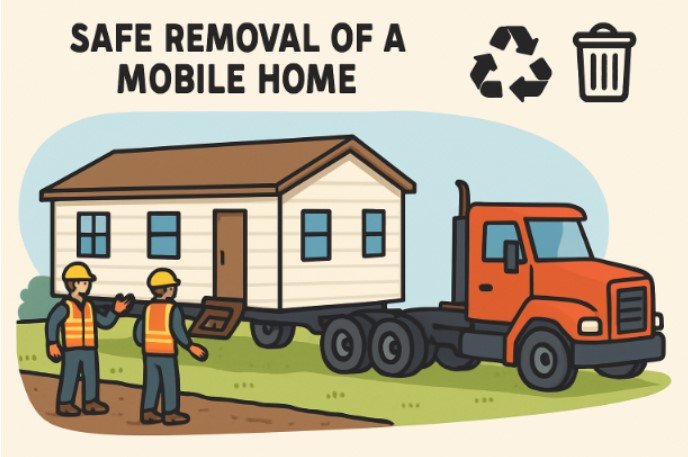
Your earlier assessment will guide your next step: deciding between mobile home relocation and demolition. Relocation is ideal if the structure is stable and can be transported in compliance with road and safety standards. Demolition is more common for older or extensively damaged homes and involves dismantling the structure piece by piece and disposing of or recycling the components. Both approaches have significant legal, logistical, and financial implications, so weigh each option carefully in light of your goals.
Eco-Friendly Disposal and Recycling Options
With responsible planning, you can reduce the environmental footprint of your mobile home removal project. Many elements, such as steel frames, copper wiring, aluminum, wood, and large appliances, are recyclable. Seek out removal services that prioritize recycling efforts, separate materials for proper disposal, and even facilitate appliance donations to local charities or building material reuse centers.
Hiring Professional Removal Services
Professional removal providers offer comprehensive solutions that often include obtaining permits, managing utility disconnections, demolition or moving services, and responsible waste handling. Look for companies with relevant experience, glowing customer testimonials, and all necessary licensing and insurance. Not only does hiring professionals safeguard your interests, but it also accelerates the process and keeps you aligned with local requirements.
Cost Considerations and Budgeting
Removal costs fluctuate based on several factors: the size and age of your mobile home, its overall condition, site accessibility, and the chosen removal method. Additional costs can arise from specialized disposal needs or environmental remediation. Solicit detailed quotes from at least three reputable providers before committing. Careful budgeting and transparent discussions with contractors about services included in the price can prevent financial surprises later in the process.
Final Site Cleanup and Preparation
Once the mobile home has been removed, it is important to clear debris, fill in any ground depressions, and ensure that the site is level and secure for future projects or landscaping. Many removal companies offer thorough site cleanup as part of their package, including debris hauling, grading, and preparing the land for its next chapter. If you intend to use the land for a new building or another structure, ensure all traces of the previous installation are removed to avoid issues with future construction.
Conclusion
Removing a mobile home requires careful planning, compliance with legal requirements, and attention to safety and environmental considerations. By assessing the home’s condition, obtaining proper permits, choosing the right removal method, and budgeting effectively, homeowners can simplify the process and avoid costly mistakes. Leveraging professional removal services and prioritizing eco-friendly disposal ensures the project is efficient, safe, and responsible, leaving the site ready for its next use.