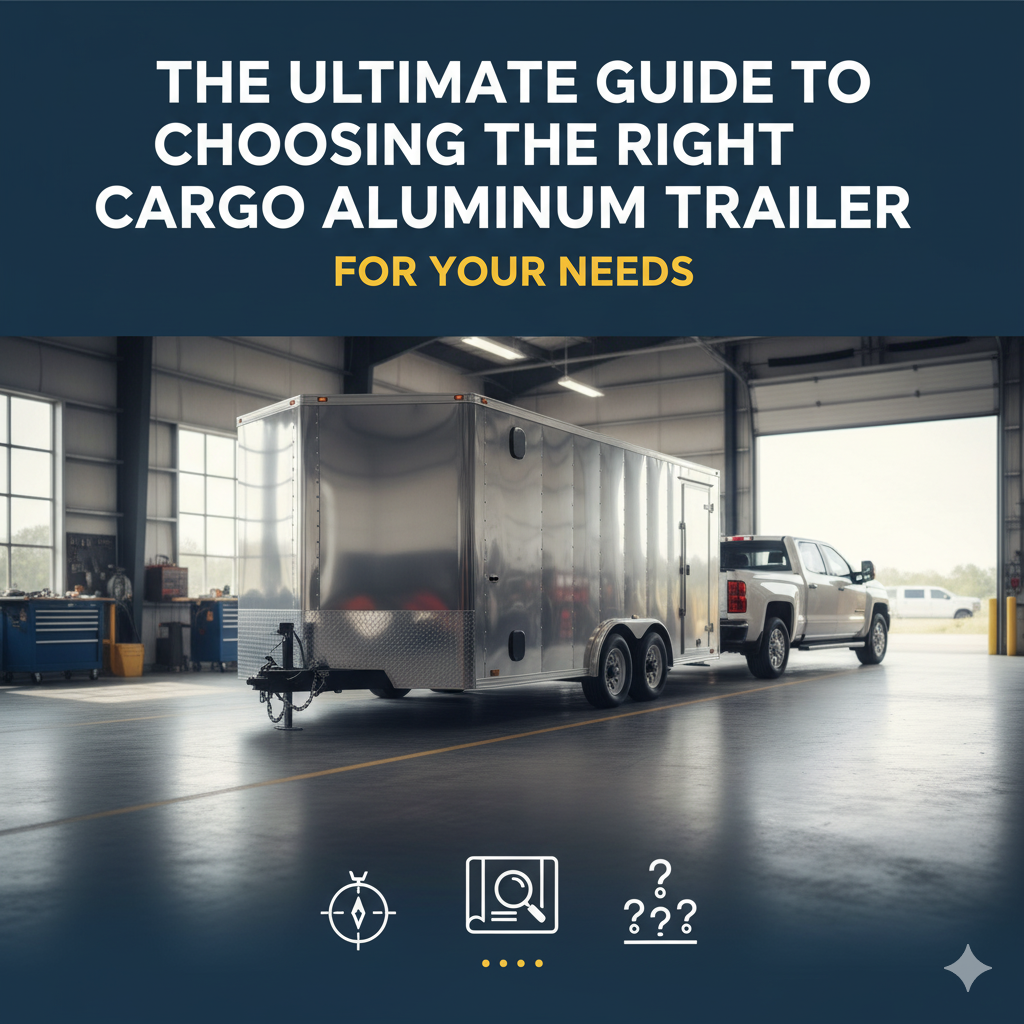
For both personal and professional use, a cargo aluminum trailer is a key asset that can make transportation and logistics simpler. These trailers are favored for their durability, lightweight nature, and resistance to rust and corrosion, making them an excellent long-term investment. But with a plethora of models and customizations available, it can be challenging to select the perfect trailer for your particular requirements.
Key Factors to Consider When Selecting an Aluminum Trailer
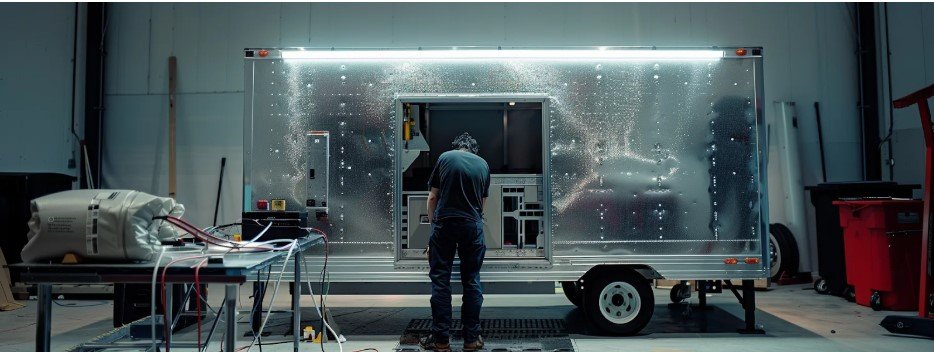
Before purchasing a trailer, it’s vital to assess the maximum load you plan to carry. The payload capacity of the trailer must exceed the weight of your cargo to avoid structural strain and potential safety hazards. Overloading can lead to premature wear and even failure, so selecting the right size and weight capacity is non-negotiable.
Consider the towing vehicle as well when selecting your trailer. The towing capacity of your vehicle must align with the weight of the loaded trailer. This is important not only for safety but also to comply with legal towing limits. Checking the manufacturer’s recommendations and adhering to them will help ensure that you are operating within safe parameters.
Additionally, factor in the type of loading and unloading that will be most frequent. Ease of access is important, and features such as ramp gates or tilt beds can be necessary depending on the cargo. These considerations might affect your choice between an enclosed trailer or an open one and may guide you towards particular designs that offer better functionality for your tasks.
Lastly, budget constraints cannot be ignored. While aluminum trailers may have a higher initial cost compared to other materials, their durability and low maintenance can make them more cost-effective over time. Investing in a quality trailer from a reputable brand, like cargo aluminum trailers, can lead to savings in the form of fewer repairs and replacements down the line.
The Impact of Size and Weight on Performance and Usability
Size and weight are major determinants of a trailer’s performance. A well-chosen trailer not only meets legal size restrictions but also matches your anticipated haulage volumes. An oversized trailer can be unwieldy and unnecessarily compound fuel consumption, while one that is too small might not meet future capacity needs or require multiple trips.
The overall weight of the trailer will also influence the handling of your towing vehicle. A lighter trailer means less drag and wear on the vehicle’s engine and brakes. However, the weight must still align with the type of cargo and its distribution within the trailer to maintain stability on the road.
When considering usability, the ease of storage for the trailer itself is also a point to think about. Larger trailers may provide more space for cargo, but can be cumbersome when they are not in use. Finding a storage space that accommodates the trailer size while not in operation is something that needs prior planning.
Reflect on the types of routes you’ll most frequently travel as well. If you’ll be navigating through urban areas with tight spaces or parking constraints, a smaller, more agile trailer may be advantageous. Conversely, if the bulk of your travel is over long distances on open highways, then size and weight considerations might lean towards maximizing capacity.
Customization Options for Aluminum Trailers to Meet Specific Needs
When it comes to trailers, one size does not fit all. Customization options allow you to tailor your aluminum trailer to your exact requirements.
The type of flooring is an aspect that can be customized depending on the cargo. For example, if you are transporting livestock, a non-slip surface might be necessary, while for heavy machinery, a reinforced floor might be the priority. Manufacturers can advise on the best floor materials and reinforcements to use based on what you’ll be hauling.
Door configurations can also be customized. Choices from a simple rear door to side doors or ramp doors can impact how easily you can load and unload your trailer. Enclosures like tool boxes or refrigeration units for perishable goods are additional custom features that can be integrated into the build to meet specialized needs.
Lights and electrical setups can be added or enhanced for safety and convenience. Extra interior lighting or exterior floodlights for nighttime loading, as well as additional brake lights and turn signals, increase visibility and safety on the road. Always check with your manufacturer about the possibilities for customization—doing so can make all the difference in how well your trailer serves you.
Overall, finding the right cargo aluminum trailer involves paying careful attention to capacity, towing considerations, size, and customizability. By meticulously analyzing your specific needs and the options available, you can select a trailer that will reliably serve you for years to come.