
The procurement process can be a complex terrain to navigate, with various stages requiring meticulous attention to detail. In the quest for efficiency and effectiveness, businesses are increasingly turning to technology to streamline their operations. One such innovation making a significant impact is the adoption of request for proposal (RFP) software, tools designed to simplify and enhance the procurement workflow. By managing RFPs more effectively, companies can save time, cut costs, and secure the best possible outcomes from their sourcing activities. Keep reading to explore how RFP software could revolutionize your procurement process.
Understanding Request for Proposal (RFP) Software in Modern Procurement

Alt text: A man sitting at a desk using a calculator, focused on streamlining workflow with online fax features.
Request for proposal software like Qvidian streamlines the entire RFP process by offering a centralized platform for creating, distributing, and analyzing requests. This digital approach replaces manual tasks such as email exchanges and spreadsheet management, helping procurement teams save time and focus on strategic decisions instead of administrative work.
Vendors also benefit from simplified submissions through user-friendly portals and clear instructions, reducing confusion and improving response quality. Using request for proposal software enhances negotiation leverage and speeds up vendor evaluations, leading to smarter purchasing choices and better resource use.
Key Features of RFP Software that Enhance Procurement Efficiency
Leading RFP software platforms streamline procurement by automating repetitive tasks like document generation, distribution, and response collection using standardized templates for consistency. These tools also feature collaborative workspaces, enabling cross-functional teams to engage in real-time decision-making regardless of location, reducing miscommunication risks.
Advanced analytics help procurement teams visualize and quantify vendor data to easily compare proposals and identify the best value. Integration with enterprise resource planning (ERP) systems enhances these insights further. In addition, top-tier RFP software emphasizes data security and compliance, offering features such as access controls and audit trails to safeguard sensitive information and maintain transparency throughout the process.
The Role of Automation in Streamlining the RFP Process
Automation is a key advantage of RFP software, handling routine tasks like data entry and deadline tracking so procurement professionals can focus on strategic efforts such as market analysis and contract negotiation. By minimizing human error and accelerating the RFP cycle, automation enables faster decision-making and greater responsiveness to market shifts.
It also enhances data collection and analysis, using algorithms to objectively score proposals based on set criteria. Automated follow-ups ensure vendors receive timely updates, strengthening supplier relationships and promoting transparency throughout the process. This elevates procurement from an administrative task to a more strategic business function.
Integrating RFP Software with Existing Procurement Systems
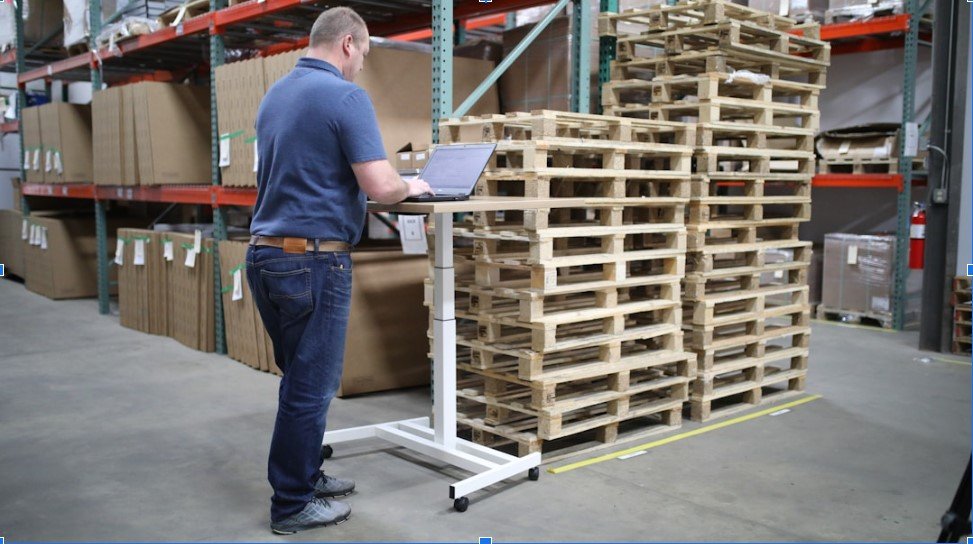
Alt text: A man stands in a warehouse, using a laptop to integrate RFP software with procurement systems.
Integrating RFP software with existing procurement systems like ERP and CRM platforms helps organizations streamline operations and avoid siloed data. This integration enables synchronized access to supplier databases, contracts, and past bids, allowing for deeper procurement insights and improved forecasting. It supports more targeted RFPs by giving teams a clearer view of procurement trends and supplier capabilities.
To overcome integration challenges, companies should prioritize RFP tools with flexible APIs and reliable technical support. Strategic integration ensures the software complements current workflows and systems. When properly executed, RFP integration strengthens procurement intelligence and enhances efficiency across sourcing activities.
Measuring the Impact of RFP Software on Procurement Outcomes
RFP software significantly enhances procurement outcomes by improving efficiency, reducing costs, and supporting strategic decision-making. Organizations typically experience shorter RFP cycle times and immediate productivity gains after implementation. Cost savings arise from identifying competitive bids and optimizing supplier selection, strengthening the company’s financial performance.
The software also improves vendor relationship management through streamlined communication and a transparent bidding process, fostering stronger supplier partnerships. Beyond operational benefits, RFP software enables procurement teams to focus on higher-level activities such as strategic planning and market analysis, positioning procurement as a key contributor to broader business goals and long-term market adaptability.
Overall, the deployment of RFP software signifies a transformational step in procurement. It ushers in an era of precision, efficiency, and strategic prowess. Companies that integrate RFP tools within their procurement processes not only streamline their operations but also set the stage for advanced procurement analytics, stronger vendor relationships, and ultimately better sourcing decisions.